Crafting Eternal Beauty
First Intro Cast-bronze furnishings
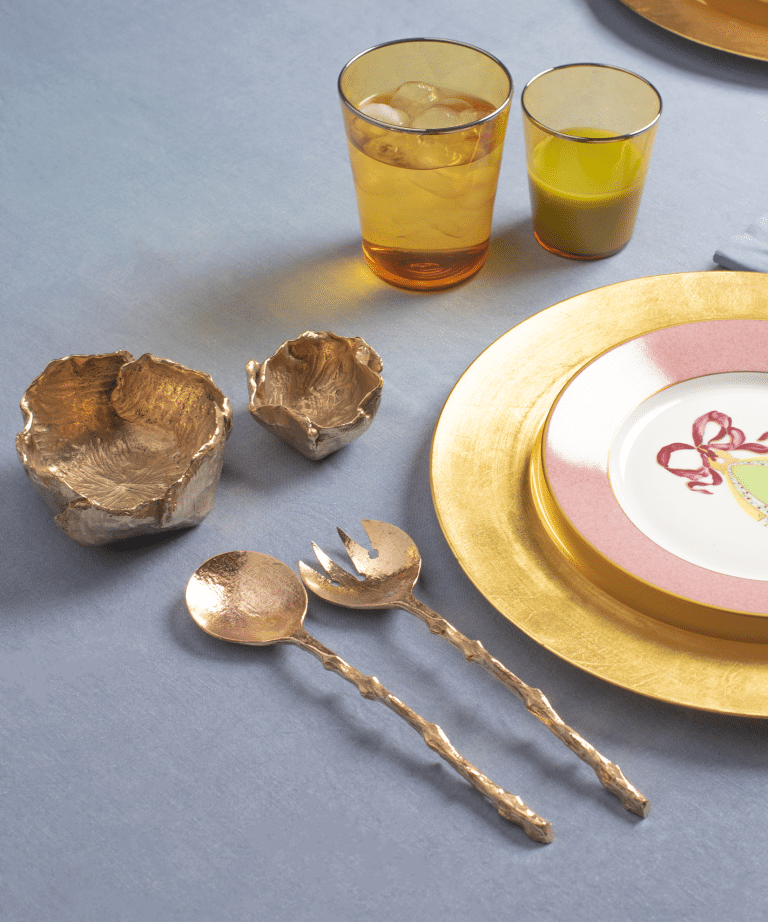
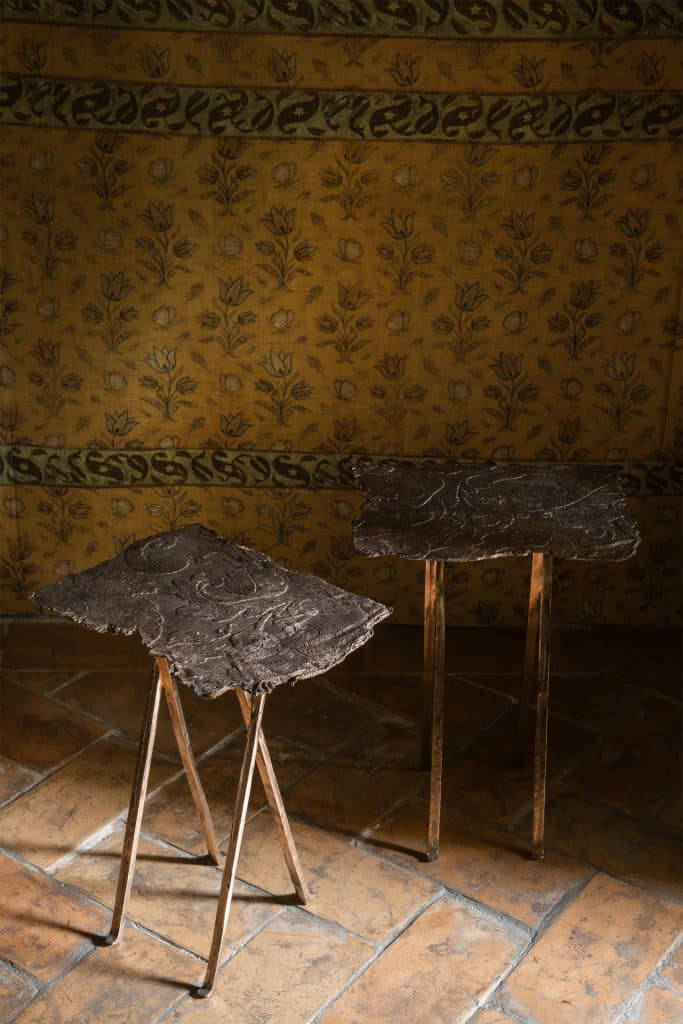
Cast-bronze furnishings handcrafted and fused in Natural Bronze using the lost-wax casting technique. One-of-a-kind pieces made in Italy.
Cast-bronze furnishings Second Intro
Cast-bronze furnishings handcrafted and fused in Natural Bronze using the lost-wax casting technique. One-of-a-kind pieces made in Italy.
Interior Decor Second Intro
Contemporary design handcrafted and fused in Natural Bronze using the lost-wax casting technique. One-of-a-kind pieces made in Italy.
Interior Decor Third Intro
Contemporary design handcrafted and fused in Natural Bronze using the lost-wax casting technique. One-of-a-kind pieces made in Italy.
Fourth Intro
Fusing contemporary design with the traditional technique of lost-wax casting.
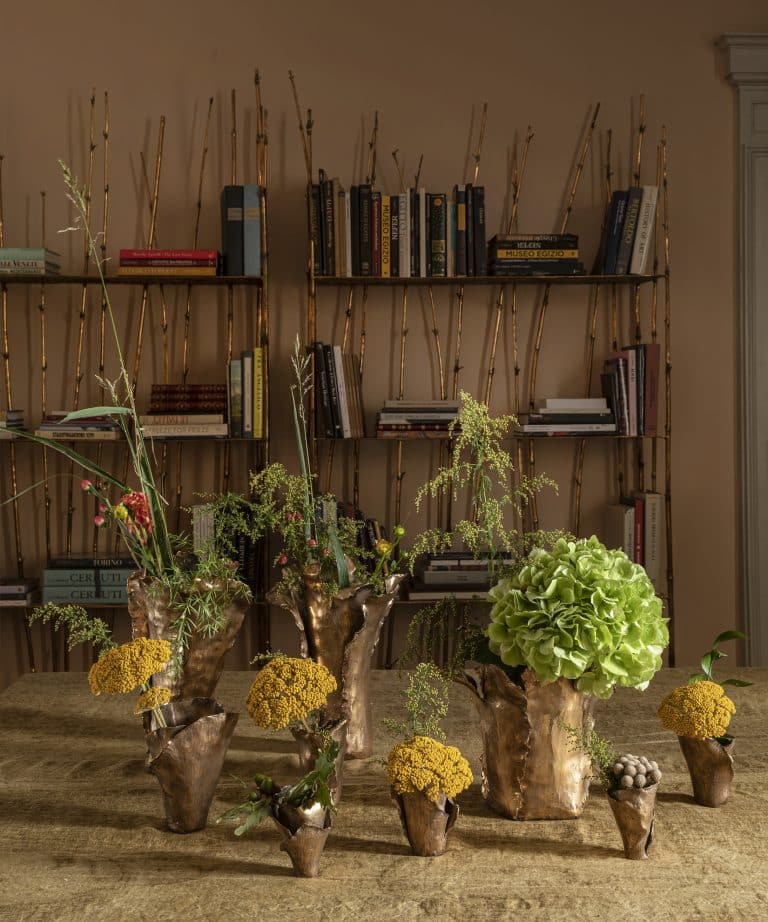
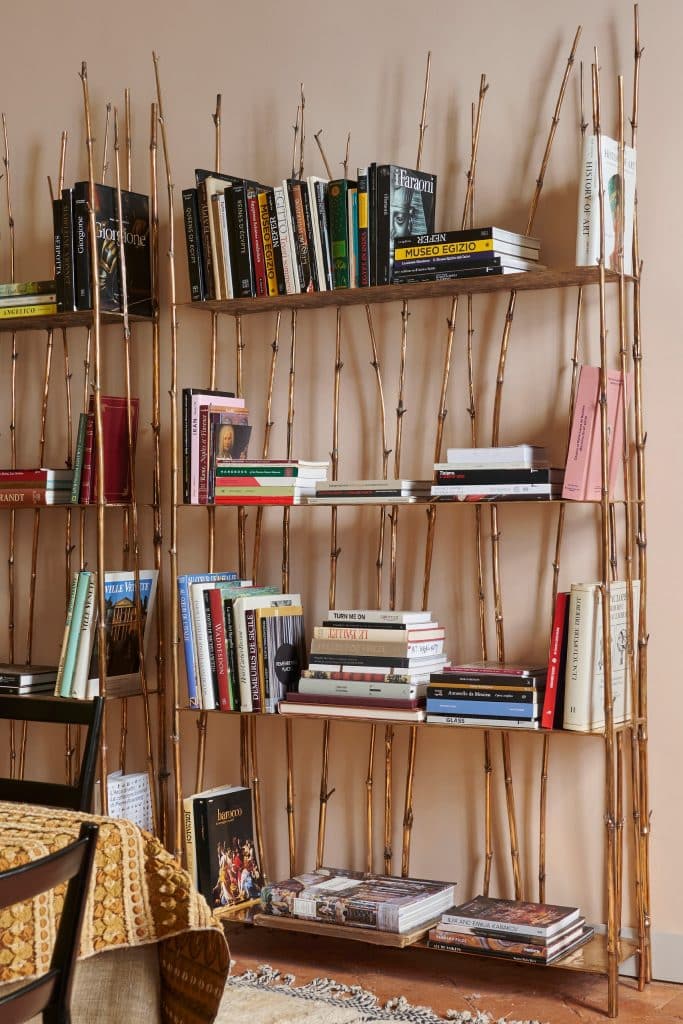
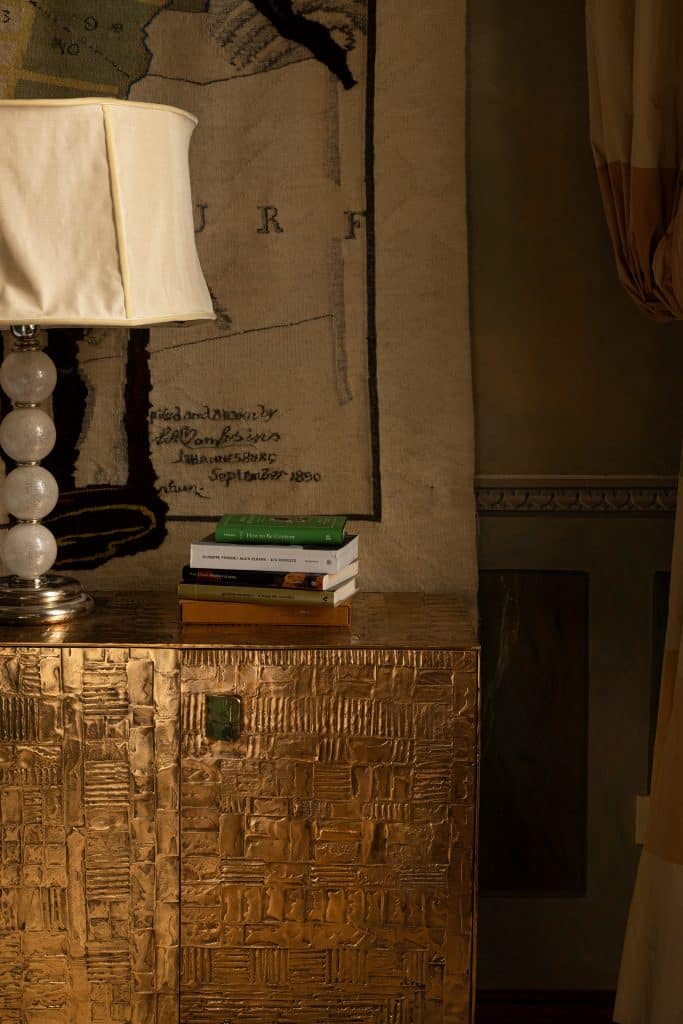
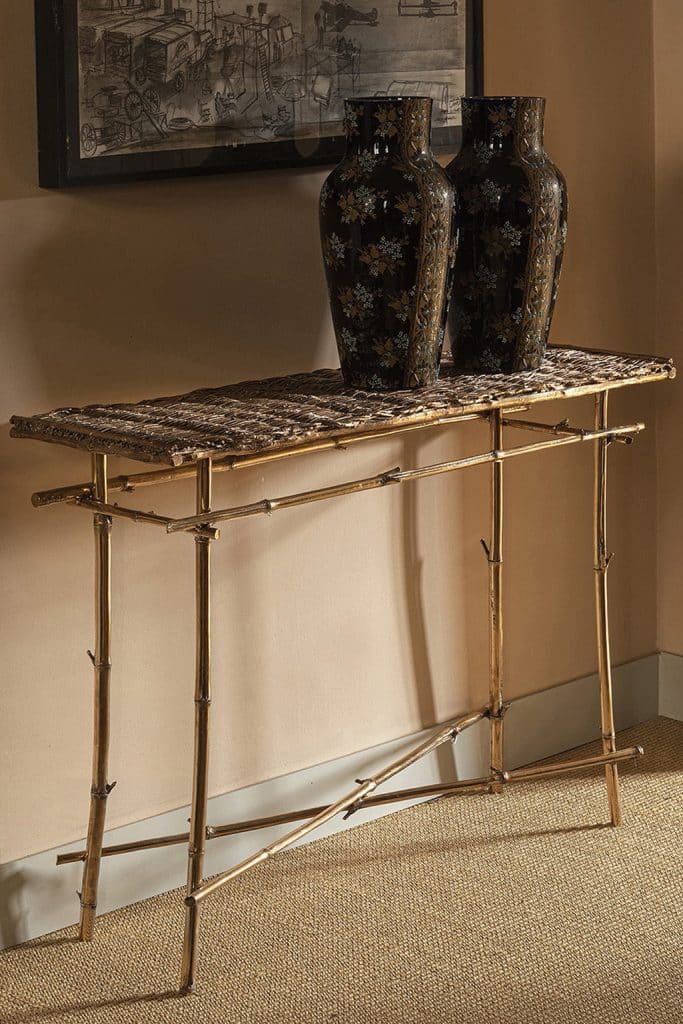
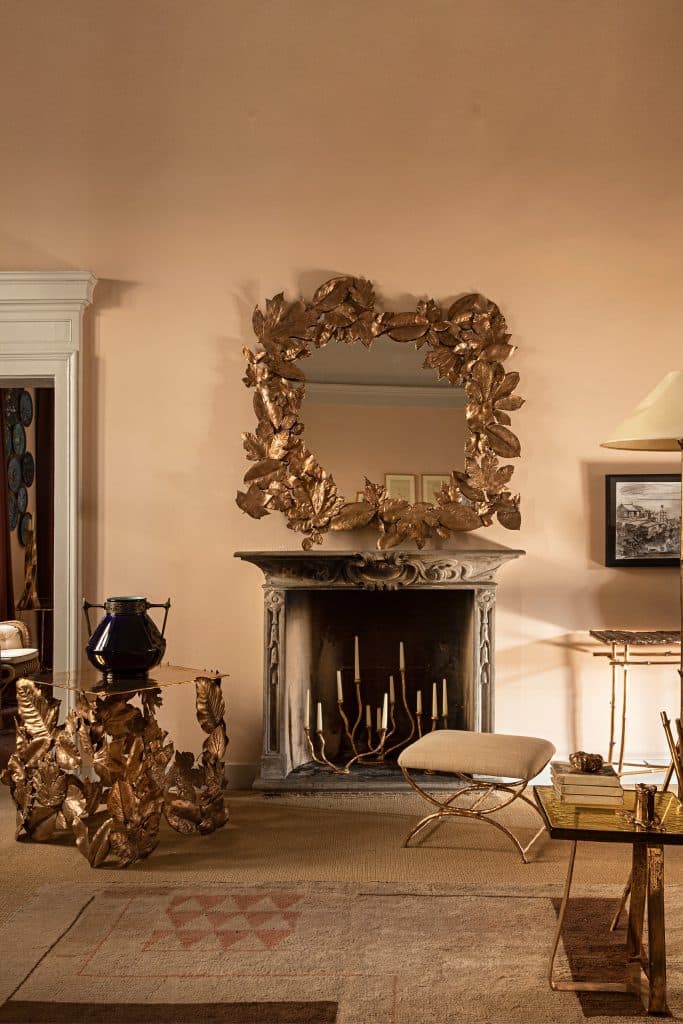
Furnishings and objets d’art made entirely by hand in Natural Bronze using the lost-wax casting technique. Pieces that are one-of-a-kind, just like the forms found in nature from which they are inspired. Meticulous strokes that are true to life, dynamic textures and sinuous contours fused in perfect synergy and eloquence.
Osanna’s collections of cast-bronze furniture and interior decor take their inspiration from forms found in nature. All her creations are fused in bronze using the lost-wax casting process, one of the oldest known metal-forming techniques dating back 6,000 years.
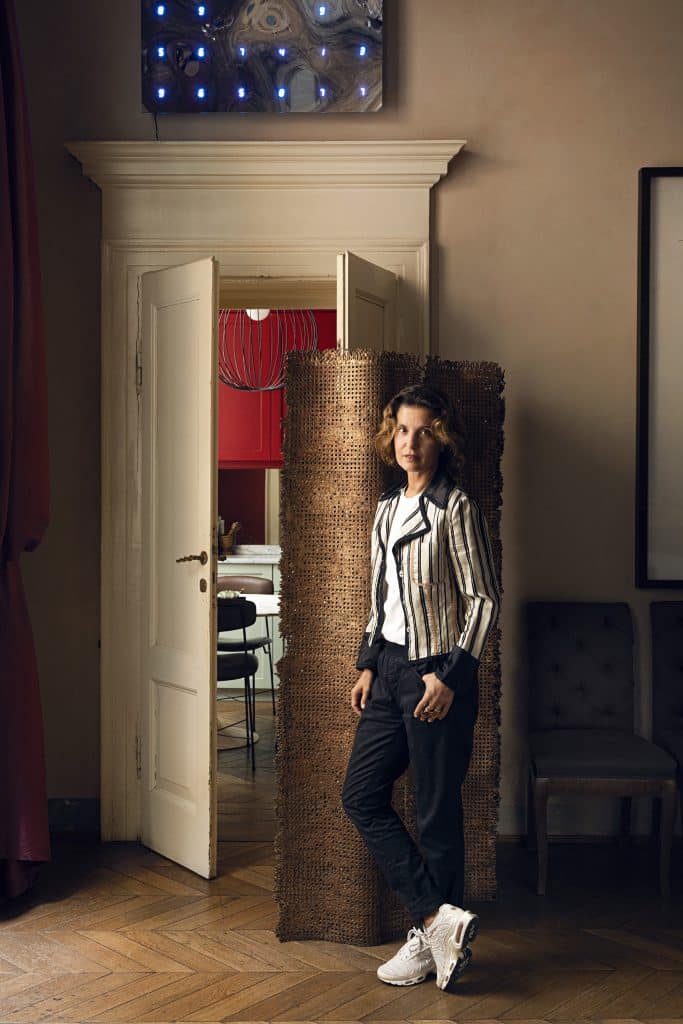
Italian designer and maker, Osanna Visconti, casts exquisitely detailed jewellery and objects, both functional and decorative, from natural bronze using the lost wax technique – an ancient method that Greek and Roman artisans have been using since bronze was discovered 3000 years ago. Osanna shares with Cabana Magazine her love of historic buildings, collecting and artisanship, and discusses her hopes for the future of her craft.
Craftsmanship
Crafting Eternal Beauty
"The power and mutability of bronze emits a constant energy to create new forms."
Furnishings and objets d'art made entirely by hand in Natural Bronze using the lost-wax casting technique. Pieces that are one-of-a-kind, just like the forms found in nature from which they are inspired. Meticulous strokes that are true to life, dynamic textures and sinuous contours fused in perfect synergy and eloquence.
Osanna's collections of cast-bronze furniture and interior decor take their inspiration from forms found in nature. All her creations are fused in bronze using the lost-wax casting process, one of the oldest known metal-forming techniques dating back 6,000 years.
Learn more about the craftsmanship involved.
Foglie Decorative Box in Bronze
Gennaio
Foglie Decorative box sculpted with real Foglie leaves fused in Natural Bronze using the lost-wax casting technique.
Handcrafted and Made in Italy.
Product Highlight
Dior Maison x Osanna Visconti
The collection dreamed up by Osanna Visconti for Dior Maison reflects the shared passion for nature that unites the founding-couturier and the Milanese artist.
For Dior, the designer has conceived a series of decorative bronze objects, the result of a symbiosis between different forms of exceptional savoir-faire: the creations are handcrafted using the lost-wax casting process – a technique chosen by the greatest sculptors, including Rodin and Camille Claudel.
A captivating dialogue where the beauty of the plant world and the excellence of contemporary artisanship, so dear to the House, shine through.
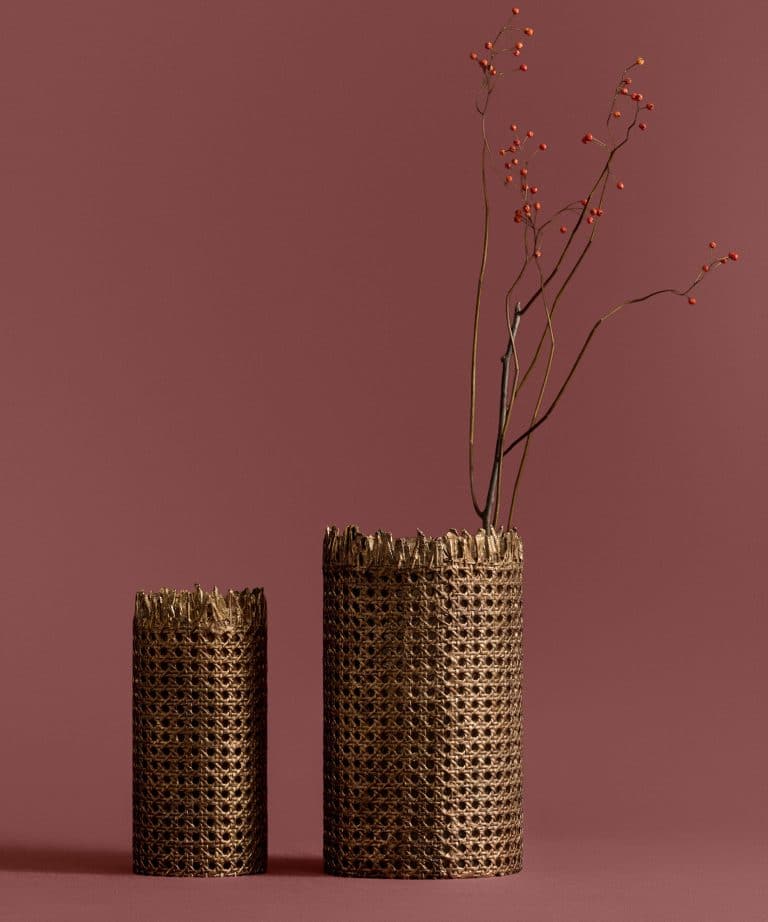
Osanna's collection in collaboration with Dior Maison expands with three new bronze candle holders featuring a floral motif and the new Cross Cannage bronze vases - available in two sizes, exclusively at Dior.
Collab
New Collection
Magnolia Collection
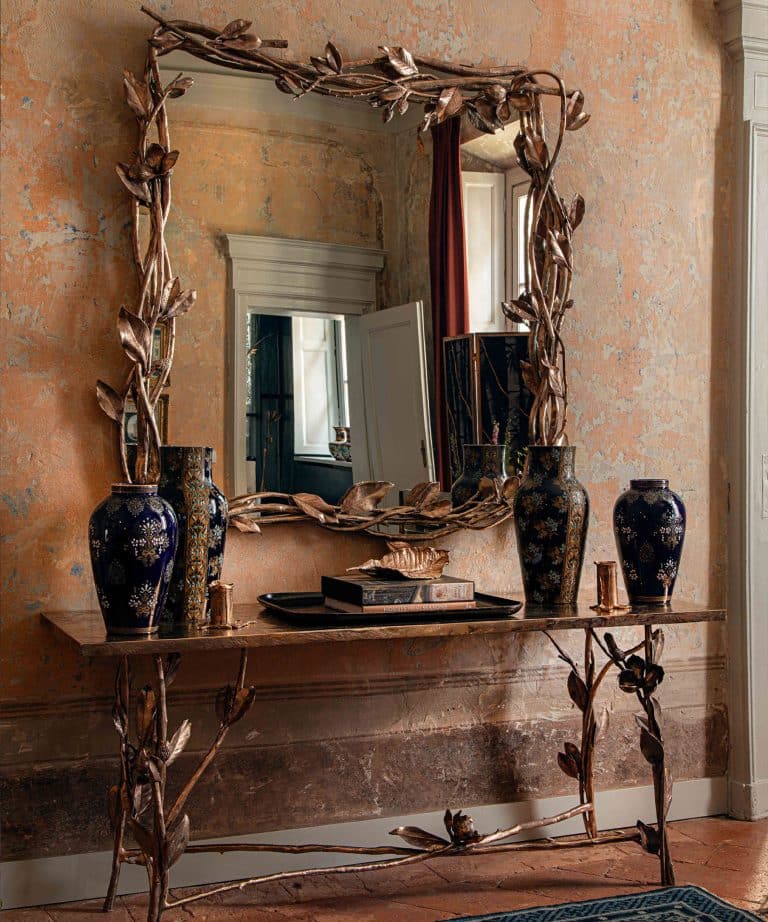
Osanna Visconti introduces the Magnolia Collection, a line of furniture crafted in natural bronze, inspired by the life cycle of the magnolia flower. Each piece in the collection symbolizes a different phase of the plant's blooming process - from the Sofa, embodying the delicate promise of a bud, to the Screen, Mirror, and Console, which capture the magnolia in its full, majestic bloom.
The collection mirrors the cyclical nature of life itself, drawing inspiration from Japanese philosophy and its reverence for impermanence and renewal.